 GeneTex
ALOX15 Enhances MAVS-mediated IFN beta Signaling Against RNA Viruses
|
Type I interferons (IFNα and IFNβ) are crucial innate immunity cytokines against viruses and other pathogens. Following viral RNA sensing, RIG-I-like receptors activate the mitochondrial antiviral signaling protein MAVS, which drives TBK1/IRF3 signaling and subsequent type 1 IFN production. Although MAVS activation is known to depend on polymerization and post-translational regulation, the host stress-responsive factors that shape this mitochondrial antiviral immunity mechanism remain incompletely defined.
|
|
In a recent Nature Immunology study, Weng et al. identify arachidonate lipoxygenase-15 (ALOX15) as a previously unrecognized regulator of mitochondrial antiviral immunity (1). Using ferroptosis-related gene screening, viral infection models, primary immune cells, patient PBMCs, knockout mice, and protein-interaction assays, the authors show that host ALOX15 enhances RIG-I-MAVS-dependent IFNβ production during influenza virus infection. This function is independent of its canonical lipid peroxidation activity. After RNA virus challenge, the authors found that ALOX15 translocates to mitochondria, associates with polymerized MAVS, and displaces deubiquitinase USP19. This potentiates MAVS K63-linked ubiquitination and aggregation, resulting in amplified MAVS antiviral signaling. In vivo, Alox15 deficiency increased susceptibility to H1N1 infection, whereas lung-directed Alox15 restoration improved antiviral defense. The study further proposes a host-directed therapeutic strategy combining ALOX15 transcriptional activation with enzymatic inhibition.
|
|
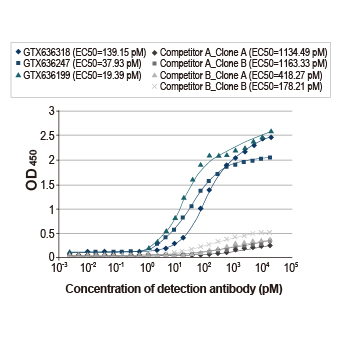
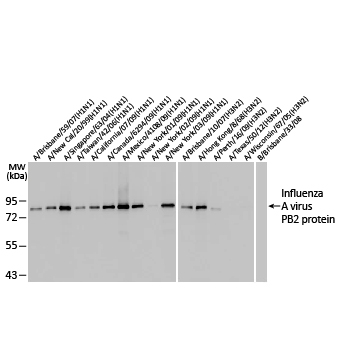
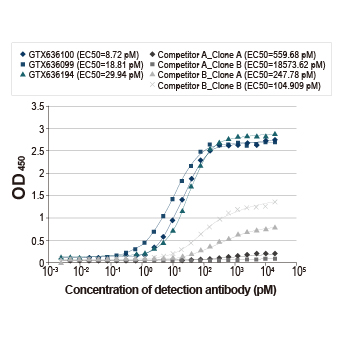
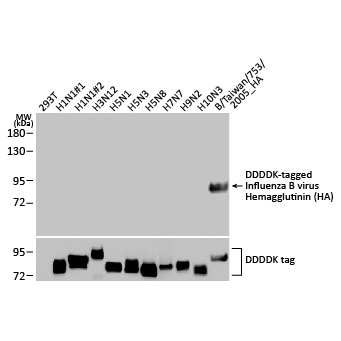
GeneTex’s anti-Influenza A virus Nucleoprotein antibody (GTX125989) was used in this study to detect influenza nucleoprotein as a marker of H1N1 infection and viral replication. GeneTex offers extensive catalogs of antibodies for infectious disease and virology research. Please see the featured products below and visit the GeneTex website for more information. |
Check Out GeneTex’s Antibodies for Infectious Disease Research
|
|
|
|
||||||||||||||||
Reference:
(1) Nat Immunol. 2026 Jul 8. doi: 10.1038/s41590-026-02584-6. Online ahead of print.
 |