GeneTex
AMBRA1 Regulates G1/S Progression, DNA Replication Stress and Genome Integrity
Cell replication and division require precise coordination of cell cycle progression and DNA synthesis. Cyclins, cyclin-dependent kinases (CDKs), and their regulatory proteins govern transitions between cell cycle phases, particularly G1/S. Disruption of these regulatory mechanisms can induce replication stress and compromise genome integrity.
In a new study published in Nucleic Acids Research, Milletti et al. demonstrated that AMBRA1 regulates p21 (i.e., p21Waf1/Cip1) and p27 (i.e., p27Kip1) protein turnover through the E3 ubiquitin ligase CRL4DDB1 complex (1). AMBRA1 depletion stabilized both proteins, but excess p21, rather than p27, was primarily responsible for replication stress. Mechanistically, accumulated p21 increased its association with PCNA, reducing FEN1 binding to PCNA and impairing Okazaki fragment processing during lagging-strand DNA synthesis. This disruption resulted in under-replicated DNA and genomic instability.
In Sonic Hedgehog-type medulloblastoma (MB-SHH), low AMBRA1 expression is associated with poorer patient survival, while TP53 status influenced cellular responses to AMBRA1 depletion. AMBRA1-deficient cells also exhibited increased sensitivity to FEN1 inhibition, suggesting a potential therapeutic vulnerability.
These findings identify AMBRA1-mediated p21 degradation as an important mechanism for maintaining DNA replication fidelity and suggest that AMBRA1 and p21 may serve as candidate biomarkers for patient stratification in medulloblastoma.
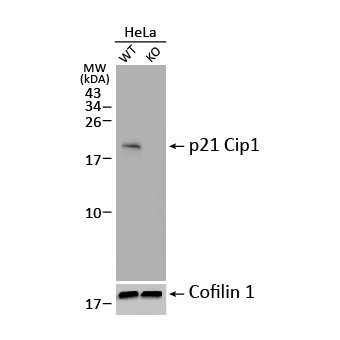
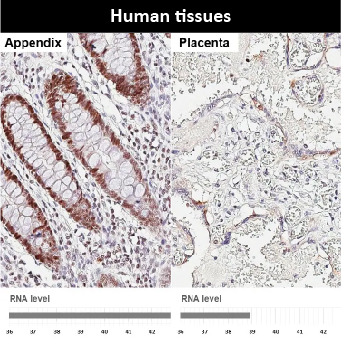
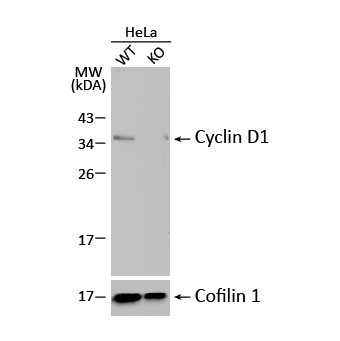
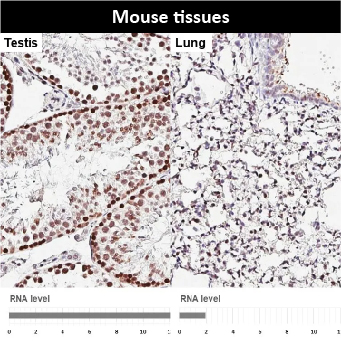
GeneTex’s alpha Tubulin antibody [GT114] (GTX628802) was used in this paper for immunoblot analysis. GeneTex offers a broad portfolio of antibodies for cell biology research, including reagents for cell cycle, apoptosis, autophagy, and GPCR studies. Please explore the featured products below and visit the GeneTex website for more information.
|
Featured Products |
|
|
|
|
||||||||||||||||