 GeneTex
Events
-
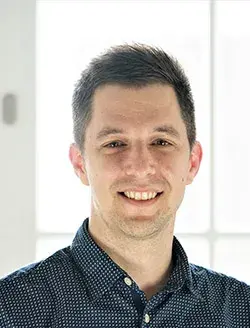
Webinar - The SARS-CoV-2 RNA-protein interactome at subgenome resolution
Thursday, April 21, 2022 at 10:00 a.m. (EDT)
Speaker: Mathias Munschauer, Ph.D.
Characterizing the interactions that SARS-CoV-2 viral RNAs make with host cell proteins during infection can improve our understanding of viral RNA functions and the host innate immune response. Using RNA antisense purification and mass spectrometry (RAP-MS), we recently characterized the first atlas of human and viral proteins that directly and specifically bind to SARS-CoV-2 RNAs in infected human cells. We now expand these results to different cell types and resolve the interactomes of genomic and subgenomic viral RNAs separately. We report a subgenome-resolved network of host RNA binders and find quantitative differences in the enrichment of host factors towards different viral RNA types, indicative of distinct binding preferences within the SARS-CoV-2 RNA-protein interactome. We globally map direct interaction sites of viral and host cell proteins on SARS-CoV-2 RNAs and use genetic perturbation together with pharmacological inhibition to demonstrate the functional relevance of several direct RNA binders in SARS-CoV-2 infections. The identification of host dependency factors and defense strategies as presented here provides a general roadmap for dissecting the biology of RNA viruses and the interactions between hosts and pathogens at the molecular level with therapeutic implications. -

Webinar - RNA vaccines against emerging viruses
Thursday, March 10, 2022 at 10:00 a.m. (EST)
Speaker: Justin M. Richner, Ph.D.
Viral pandemics in modern times were associated primarily with specific strains of influenza until SARS-CoV-2 arose. Nevertheless, other RNA viruses like SARS-CoV, MERS, and ZIKV have all evoked illness, fear, and death within the last two decades, while DENV and other flaviviruses have caused misery over a much longer timeframe. The Richner laboratory at the University of Illinois, Chicago College of Medicine studies the biology of these pathogens and dissects the underlying signaling, cytokine, and cellular interplay responsible for generating an effective adaptive immune response and immunologic memory following viral infection or vaccination. Other major areas of focus include understanding the biological basis of age-related diminution of the immune response and application of mRNA vaccine technology against flaviviruses and coronaviruses. His webinar will concentrate primarily on his compelling findings related to mRNA vaccines against ZIKV and DENV as well as his quest to develop a pan-coronavirus vaccine. -
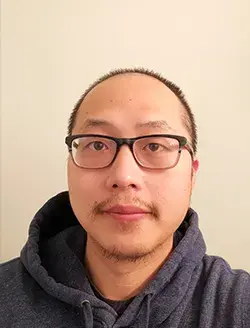
Webinar - Neuroinflammation and Neurodegenerative Disease
Thursday, February 24, 2022 at 3:00 p.m. (CET)
Speaker: Chun-Cheih Chao, Ph.D.
Astrocytes are a functionally diverse cell population that exerts a complex range of effects on neurons in the central nervous system (CNS). These include actions both supportive to neuron homeostasis (i.e., release of lactate and promotion of post-traumatic tissue repair) as well as destructive (i.e., driving CNS inflammation and neurodegeneration). These negative processes can involve multiple mechanisms including neurotoxicity, modulation of microglial responses, and recruitment of inflammatory cells. Using a combination of proteomic, metabolomic, transcriptomic, and perturbation approaches, Dr. Chun-Cheih Chao found that sphingolipid metabolism in astrocytes trigger the interaction of cytosolic phospholipase A2 (cPLA2) with mitochondrial antiviral signaling protein (MAVS). This stimulates NF-κB-driven transcriptional programs leading to CNS inflammation and disruption of MAVS-hexokinase 2 (HK2) interactions that result in decreased lactate production and compromised neuronal metabolism. Dr. Chao will describe how this sequence of events can be pharmacologically targeted to treat neuroinflammation. -

Webinar - From Skin to Brain: The Epigenetic Basis of Inflammatory Training
Tuesday, November 9, 2021 at 9:00 a.m. (EST)
Speaker: Samantha Larsen, Ph.D.
Inflammatory training is the generation of an epigenetic memory that leads to an augmented state of responsiveness to a broad range of secondary stimuli. Though previously thought to be exclusive to the innate immune system, Dr. Samantha Larsen discovered that epithelial stem cells can undergo inflammatory training that accelerates tissue repair. She revealed this phenomenon hinges on the coordinated efforts of stimulus-specific, stress-responsive, and homeostatic transcription factors that extend to diverse stimuli, cell types, and species. She has now extended her interests in the long-term consequences of inflammation to the brain, where she has identified that neurons, much like other long-lived cell types, undergo inflammatory training that may predispose them to subsequent neurodegeneration. Moving forward, she is addressing the persistent transcriptional and electrophysiological changes that follow concussive brain injury with the ultimate goal of treating and preventing injury-induced neuropathogenesis.


